Are You Teaching All the Ways Students Learn Yoga? | A Practical Checklist
Are You Teaching All the Ways Your Students Learn Yoga? (A Practical Checklist for Yoga Teachers)
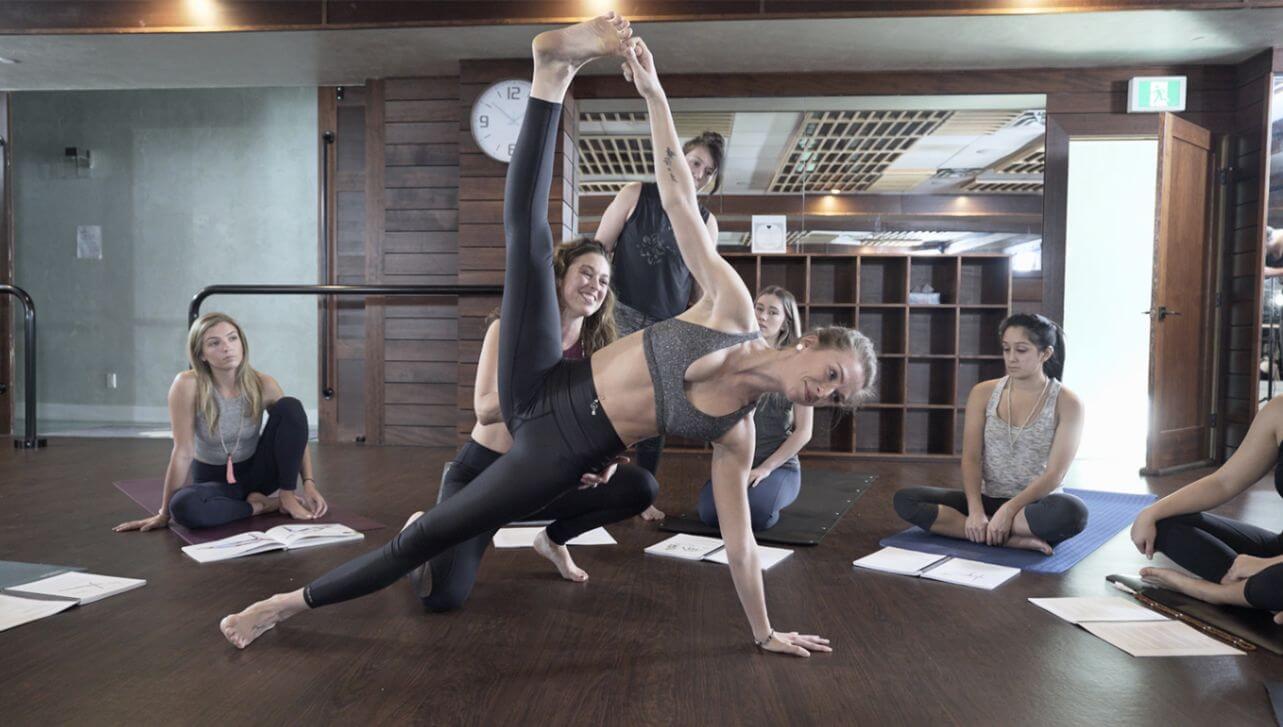
Every student who walks into your class is processing your cues through a completely different nervous system, movement history, and learning preference.
Some students need to see before they understand. Others need to feel. Some need time and repetition. Others need language, rhythm, or reflection. When teaching leans heavily in one direction, some students thrive — and others quietly disengage.
This often shows up when students struggle with learning to feel cues — not because they aren’t trying, but because the teaching approach doesn’t yet meet how they process information.
Advanced yoga teaching isn’t about finding the right cue. It’s about learning how to meet students where they are.
Why Learning Styles Matter in Yoga
Yoga is an embodied practice, which means learning happens on multiple levels at once — physical, sensory, emotional, and cognitive.
Educational research has long recognized that people process information differently. In yoga, this diversity becomes even more apparent because students aren’t just learning concepts — they’re learning to inhabit their bodies with awareness.
As explored in more depth in how students actually learn yoga, understanding develops through experience, reflection, and experimentation — not explanation alone.
When teaching supports multiple learning styles:
Classes become more accessible
frustration softens
confidence builds
Students stay longer
A Practical Teaching Checklist
Use the checklist below as a reflection tool — not a rulebook. No teacher supports every learning style equally in every class. The goal is range, not perfection.
Visual / Spatial Learners
“I need to see it.”
You’re supporting visual learners when you:
Demonstrate key poses
Ask experienced students to demo when appropriate
Use visual imagery (“reach like light,” “spiral upward”)
Face the room when introducing new shapes
Offer mirror-style demonstrations for beginners
Verbal / Linguistic Learners
“I need clear words.”
You’re supporting verbal learners when you:
Use clear, consistent language
Explain both what to do and why
Introduce anatomy gradually
Slow your speech for new actions
Repeat essential cues without rushing
Bodily / Kinesthetic Learners
“I need to feel it.”
You’re supporting kinesthetic learners when you:
Allow time to explore within poses
Encourage self-touch cues (“place a hand on your ribs”)
Offer appropriate hands-on assists
Invite micro-movements for sensing alignment
Teach sensation rather than shape alone
Musical / Rhythmic Learners
“I learn through rhythm.”
You’re supporting rhythmic learners when you:
Cue movement with breath
Emphasize inhale/exhale pacing
Use music intentionally (or intentionally not)
Maintain a steady vocal tone
Reduce distracting or abrupt sounds
Interpersonal Learners
“I learn through connection.”
You’re supporting interpersonal learners when you:
Make eye contact
Learn and use student names
Invite brief check-ins
Acknowledge effort and presence
Create a welcoming, relational class culture
Intrapersonal Learners
“I learn by going inward.”
You’re supporting intrapersonal learners when you:
Offer quiet moments for self-observation
Normalize rest and personal variations
Encourage autonomy in poses
Allow non-linear participation
Invite reflection, intention-setting, or journaling
What This Reveals About Advanced Teaching
Teaching across learning styles isn’t about doing more. It’s about becoming more responsive.
When something isn’t landing, skilled teachers don’t push harder — they try another pathway. A different cue. A different lens. A different invitation.
That flexibility is one of the hallmarks of advanced, intuitive yoga teaching.
Teaching Beyond Preference
Every teacher has preferred ways of teaching — often aligned with how we learn best. Growth happens when we gently expand beyond those defaults.
Developing this range allows students not just to follow class, but to understand themselves more clearly within it.
Ready to Refine These Skills?
Learning to teach across nervous systems, learning styles, and lived experience takes time, practice, and reflection.
These capacities — adaptability, perceptiveness, and embodied intelligence — are central to our 300-Hour Advanced Yoga Teacher Training, where teachers deepen not only what they teach, but how they teach.
Christina Raskin
You Love Yoga, We Love Yoga—Let’s Stay Connected
Get yoga tips, a little inspiration, and friendly emails—because yoga is better with friends.
No spam. No selling your data. Ever.
The post Are You Teaching All the Ways Students Learn Yoga? | A Practical Checklist Written By Christina Raskin appeared first on Asana at Home Online Yoga Inc..
Leave a Reply Cancel reply
Recent Comments
Archives
- August 2026
- July 2026
- June 2026
- May 2026
- April 2026
- March 2026
- February 2026
- January 2026
- December 2025
- November 2025
- October 2025
- September 2025
- August 2025
- July 2025
- June 2025
- May 2025
- April 2025
- March 2025
- February 2025
- January 2025
- December 2024
- November 2024
- October 2024
- September 2024
- August 2024
- July 2024
- June 2024
- May 2024
- April 2024
- March 2024
- February 2024
- January 2024
- December 2023
- November 2023
- October 2023
- September 2023
- August 2023
- July 2023
- May 2023
- March 2023
- February 2023
- August 2022
- July 2022
- June 2022
- May 2022
- April 2022
- March 2022
- February 2022
- January 2022
- December 2021
- November 2021
- October 2021
- September 2021
- August 2021
- July 2021
- June 2021
- May 2021
- April 2021
- March 2021
- February 2020
- January 2020
Theme by The WP Club . Proudly powered by WordPress